The closure of Sofitel Philippine Plaza Manila on 1 July 2024 has
raised questions about the future of this landmark hotel. Despite a
reported 17 years remaining on its lease contract with the Government
Service Insurance System (GSIS) and plans for expansion announced just a
year ago, the hotel has ceased operations after 48 years of service.
The sudden closure shocked the market, especially given the hotel's
rich history of hosting dignitaries and celebrities, such as such as
Madeleine Albright and former French president Francoise Hollande and
celebrities like Richard Branson and Ed Sheeran.
Designed by National Artists Leandro Locsin and Idelfonso P Santos
Jr. in 1973, the property originally opened as a Westin hotel to
accommodate delegates of the 1976 International Monetary Fund-World Bank
conference.
Reasons for the closure
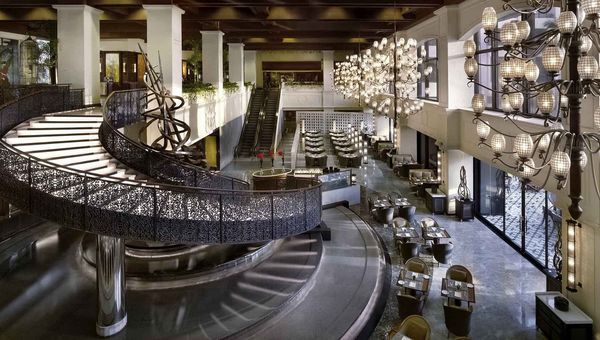
Extensive renovations required to address the aging infrastructure and safety concerns, including fires, may have led to the shutdown of Sofitel Philippine Plaza Manila. Photo Credit: Accor
- Aging infrastructure: The property, nearing half a
century old and built on reclaimed land, has faced ongoing maintenance
challenges. A former Westin executive noted that past renovations may
not have addressed long-term structural issues.
- Safety concerns: Steve Peña, president of
Philippine Plaza Holdings, reportedly cited "safety issues," including
over 20 alleged fire incidents, as a reason for the shutdown.
- Need for extensive renovation: While a major
renovation was announced late last year, the extent of work required may
have been deemed too significant to undertake while remaining
operational.
Remembering its legacy
Veteran hotelier Rose Libongco, who was involved in the transition to
Sofitel in 2006, recalled, "I was the first director of sales and
marketing of Sofitel Manila. I transitioned the property from Westin to
Sofitel and stayed five years." She praised the leadership of Bernd
Schneider, the general manager at the time, saying, "Accor couldn't have
chosen a better officer to introduce Sofitel to the Filipinos."
Libongco also fondly remembered Mo Ihsan, who was responsible for
training the service crew. "His training method was rigorous to the
point of punishing," she said. "He turned night into day and more until
the steps, anticipation of guest needs and service delivery were
perfect."
While the closure marks the end of an era for this iconic Manila
hotel, Accor continues to maintain a strong presence in the Philippines
with several other properties across various brands.