For many travellers in Asia, Macau is best known for its integrated resorts, UNESCO heritage sites and its exciting food scene. The UNESCO Creative City of Gastronomy is home to a plethora of different cuisines with choices for every budget, from Michelin-starred
restaurants to street food and authentic Macanese dishes – said to be the world’s first genuine fusion cuisine.
Many visitors travel to Macau with food on their main agenda, but few are aware of the intriguing stories behind some of the destination’s
best-loved dishes. Browse this guide to learn about the surprising origins of the iconic Macanese dishes and get your clients on a mouth-watering escape to Macau.
1. A dish named after Africa, yet found only in Macau
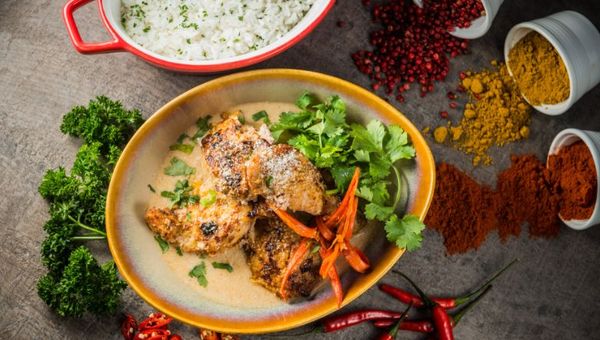
The African chicken is first grilled, then topped with spicy piri piri sauce which gives a unique flavour mix of pepper, herbs, and in some places, curry sauce too.
The African chicken (Galina à Africana), despite its namesake, only exists in Macau and not in other former Portuguese colonies. Based on anecdotes in the Macanese culinary community, the African chicken is said to be created by the late chef Americo
Angelo at the now-defunct hotel Pousada de Macao after his trip to Mozambique in the 1940s.
Considered a luxe iteration of the South African Piri-Piri chicken, the Macanese chicken dish uses coconut milk and shredded coconut, a popular ingredient
in Southeast Asian cuisine. The chicken is marinated in chillis, onions, garlic and paprika then doused in a lemony, buttery coconut sauce, with crushed peanuts and grilled to crunchy perfection.
These spots are great highlights for your
clients who are foodies and want to try it all. Restaurant Litoral is known for its authentic Macanese dishes and serves a deliciously rich African chicken. Order this dish and dine alongside the older generation of Macanese at Henri’s Galley enjoying
their meals over long patua conversations. Finally, the local institution Riquexo by the late Dame Aida de Jesus – endearingly known as the Godmother of Macanese cuisine – does a tasty version of African chicken.
2. The great British bake off behind the Macanese egg tart
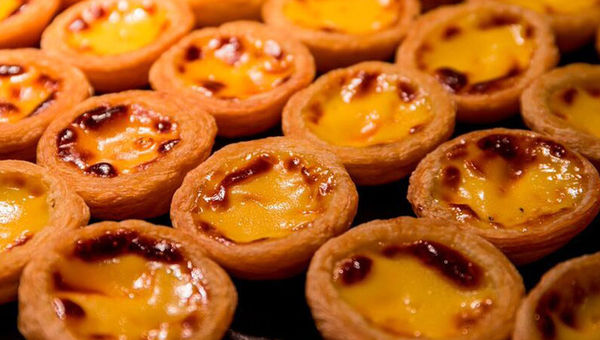
The famous Macanese egg tart was the creation of British pharmacist Andrew Stow, the late founder of Lord Stow bakery.
The origins of Portuguese egg tarts are said to have started with the nuns in Portugal using egg whites to starch their linen and habits and didn’t know what to do with the large amount of unused yolks – and the Portuguese egg tart (pastéis de nata) was
born.
However, it was British pharmacist Andrew Stow – the founder of Lord Stow bakery – who turned the humble egg tart into an iconic snack in Macau. Inspired by Portugal’s pastéis de nata, Stow created the hybrid of the English-Portuguese
custard egg tart with a flakey filo pastry base but kept the egg custard consistency similar to the English version with a burnt caramelised top.
The famed Lord Stow’s Bakery serves up delightfully smooth egg tarts with buttery crusts that
crumble upon the first bite. Hot tip: Recommend your clients to visit the original branch in Coloane, which will make a fine spot for travellers to combine sightseeing and enjoying the egg tarts over a hot brew. In Taipa Village, San Hou Lei Café
is famous for its twist on the Portuguese egg tarts by adding birds' nests to the mix; however, it is their Portuguese egg tarts without the fancy dress that hit the spot.
3. The gourmet bun with serious street cred
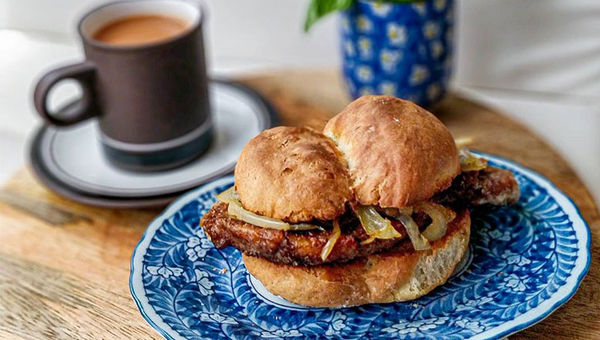
The humble Portuguese pork bun, also available in beef steak version (prego), both best paired with a cup of tea.
While the Macanese (people of mixed Portuguese and Chinese descend) don’t consider the pork chop bun as part of the rich repertoire of heritage dishes created in the home, this street snack unique to Macau is the Asian cousin of the Portuguese bifana
pork sandwich. It is said the Portuguese officials missed the taste of home in Macau and asked a local café to recreate bifana sandwiches and the recipe evolved with local ingredients and flavour profiles.
The bone-in Macau pork chop is marinated
with bay leaves, a key ingredient that gives life to many Portuguese dishes, alongside Asian flavours such as five-spice powder, garlic, sugar, salt, soy, white and black pepper, then pan-fried golden brown before being served in a buttered Portuguese
bun. The resulting pork chop bun is a divine fusion of cuisines and cultures.
Locals and tourists alike join the long queues at Tai Lei Loi Kei – a shop that has been serving pork chop buns for over five decades. Try the variation with the
boluo “pineapple” buns that has a caramelised top crust, giving the sandwich a sweeter dimension. Foodies should not miss out the lesser known but tasty prego (beef steak buns), with grilled beef served warm on a well-buttered Portuguese bun. Recommend
your clients to visit Ou Mun Café and Café Ocean Corner, where this heavenly treat is best enjoyed over a strong cup of coffee.
4. Cream of the crop: Macau’s “sawdust” dessert
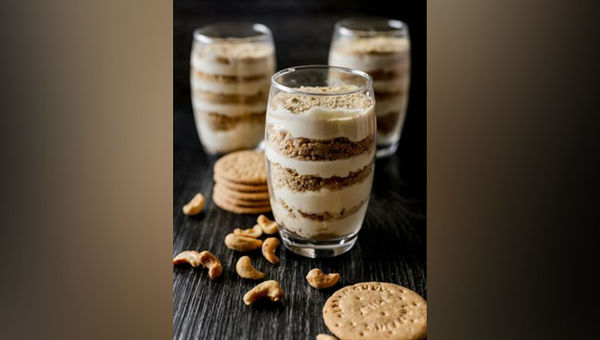
Not quite tiramisu, but Macau’s unique concoction which uses whipped cream, condensed milk and Marie biscuits.
Serradura is a classical Portuguese dessert that remains on the menus of restaurants across Portuguese colonies. This creamy dessert remains popular in Macao and Goa. Meaning “sawdust” in Portuguese – its name is derived from the texture of crumbled Marie
biscuits. Served in a glass cup with alternate layers of whipped cream, condensed milk and crushed Marie biscuits.
Recommend your clients to order the Serradura at Restaurant Litoral for the perfect sweet ending, or try the fluffy cup of
cream as a snack on the go at Mok Yi Kei while they are wandering around Taipa Village’s Rua do Cunha.
5. The art of Michelin-star dim sum
Grand Lisboa’s The Eight – the first and only Chinese restaurant in
Macau to be awarded three Michelin stars for eight consecutive years –
is where culinary finesse of dim sum head chef Yau Wah Fai is delicately
played out. From crafting delicacies resembling
goldfish to hedgehog-like buns, Yau serves up a range of handcrafted
dim sum that resemble art pieces on the table. “When the dim sum skin
is too thin, the shape changes. And if it’s too thick, the texture would
be too chewy,” he says.
Must-order dishes from Grand Lisboa’s The Eight
With
more than 40 different kinds of dim sum on its menu, must-order dishes include the shrimp dumplings in goldfish shape, which Yau calls “a symbol of health and vitality” – a central theme of the interior design of The Eight. And the puff pastry with
river shrimp packed in a purse shape is also an “auspicious symbol encouraging guests to hold onto their wealth” (and eat it too!)
It's one of the restaurants not to miss on a trip to Macau for dim sum lovers, and it's best to help your clients
make reservations are highly recommended for this top table. Like Art Macao, an annual event currently taking place, Macau’s creativity and artistry can be found amid all corners of the city, from dim sum in a glamorous hotel setting to signature
treats served by family-run restaurants.
Brimming with outstanding food and drinks experiences, Macau’s diverse food scene is clearly in a class on its own. Help your clients discover Macau’s unparalleled heritage and eat their way across
the destination. To learn more about the city’s alluring food scene, visit Macao Gastronomy.
This article is brought to you by Macao Government Tourism Office