Macao, a UNESCO Creative City of Gastronomy, boasts a culinary landscape as diverse as it is delectable. While renowned for its cosmopolitan cuisines and irresistible street food, Macao's rich culinary heritage is deeply intertwined with traditional Chinese food philosophies. These time-honoured principles prioritise not only flavours but also wholesome, nutritious, and sustainable dining practices.
A fusion of fresh flavours
The Macanese preference for local produce stems from a time when imported ingredients were scarce. After all, this was how Macanese cuisine was created: local wives of Portuguese sailors tried to replicate European dishes using Chinese ingredients, giving rise to delicacies like tacho, a meat and vegetable stew, and Porco Balichão Tamarindo, a braised pork dish flavoured with tamarind and fermented prawn paste.
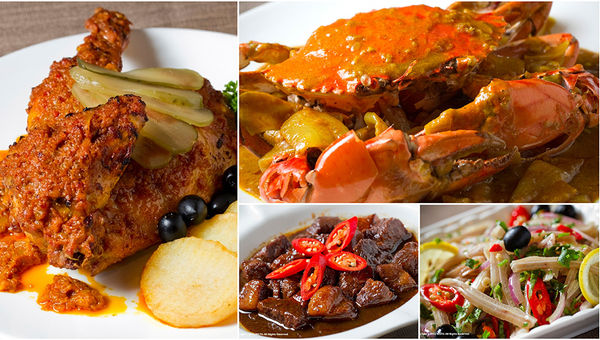
Macanese cuisine — one of the first fusion cuisines in the world — was created by using locally available ingredients and seasonings to recreate Portuguese dishes. Clockwise from left: African chicken, curry crab, pig’s ear salad, and braised pork with tamarind and prawn paste.
For a taste of this unique cuisine, head to La Famiglia, helmed by renowned Macanese chef Florita Alves. Here, diners can sample rare Macanese desserts and groups can make an advance request for a cha gordo, or “Fat Tea”.
While modern Macao features a much more international array of gastronomic delights, the focus on freshness and sustainability remains. At The Manor in The St. Regis Macao, Executive Sous Chef Michele Dell’Aquila sources ingredients from around the world for his dishes, carefully selecting them from environmentally and socially responsible suppliers, including family-owned farms and independent fishermen.
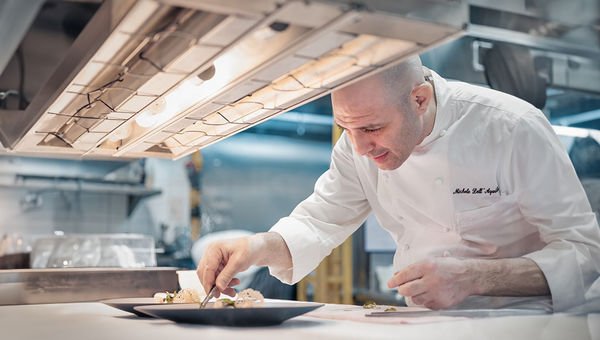
At The Manor at The St. Regis Macao, diners can be assured that their meals support independent and socially responsible suppliers.
Even casual establishments like Dragon Portuguese Cuisine at Galaxy Macau’s Broadway Food Street prepare dishes from scratch daily, minimising food waste while ensuring the freshest meals for diners.
The healing power of food
Traditional Chinese cuisine has always emphasised health and balance, with the aim of increasing one’s vitality. Rooted in traditional Chinese medicine, foods are often categorised as Yin (cooling) or Yang (heating), with ingredients paired accordingly to create balance in the final dish. Different cooking methods, such as steaming or frying, are also believed to affect the qualities of the food.
Herbal Treasures at Studio City exemplifies this philosophy in practice. Collaborating with Traditional Chinese Medicine (TCM) associations, the restaurant offers an extensive menu of nourishing double-boiled soups, steamed rice bowls, Chinese herbal desserts, and tonic teas. Dishes feature precious ingredients like Korean ginseng, cordyceps, bird’s nest, and more.
At the Michelin 3-starred Jade Dragon in City of Dreams integrated resort, the menu of culinary masterpieces includes a selection of seasonal healing soups. Each soup is designed to address specific ailments, such as boosting immunity or reducing heat and dampness in the body.
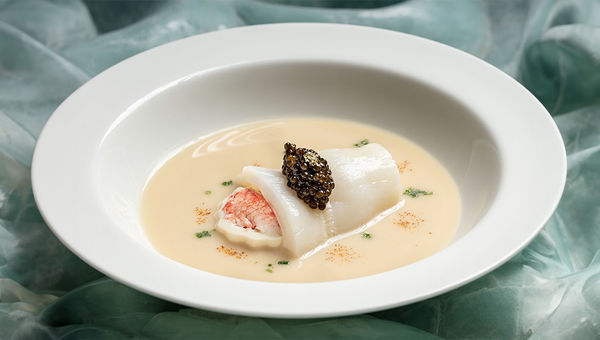
A key wellness philosophy in Macao: nourish the body by eating the right food for one’s constitution, such as Jade Dragon’s Rabbitfish Soup with Fish Maw and Caviar.
Eating with the seasons
Macao's culinary tradition builds on the philosophy of creating the most nourishing food possible with locally available ingredients. Locals believe in eating seasonally to temper and fortify the body throughout the year. For instance, in winter, hydrating foods like pears, wood fungus, and root vegetables are consumed to combat the cold, dry weather, while warm soups and porridges are preferred.
Travellers can experience these seasonal menus at many of Macao’s restaurants, but some chefs take this concept even further. At the Michelin-starred Chef Tam’s Seasons in Wynn Palace, a revolving degustation menu reflects the 24 solar terms of the traditional Chinese calendar.
Waste not, want not
Sustainable dining and minimising food waste may be relatively modern concerns, but the concept of maximising every part of our food is a long-standing tenet of Chinese cuisine, rooted in times when precious ingredients were scarce. It’s therefore no surprise that Macao excels in green dining: travellers will be impressed by the creativity and flavour found in the city’s sustainability-focused restaurants.
The IFTM Educational Restaurant, run by the Macao Institute for Tourism Studies, is perhaps the city’s best example. Here, a herb and vegetable garden minimises the need for air-flown imported produce, food waste is converted into fertiliser, and solar panels and rainwater harvesting cut down on resource usage.
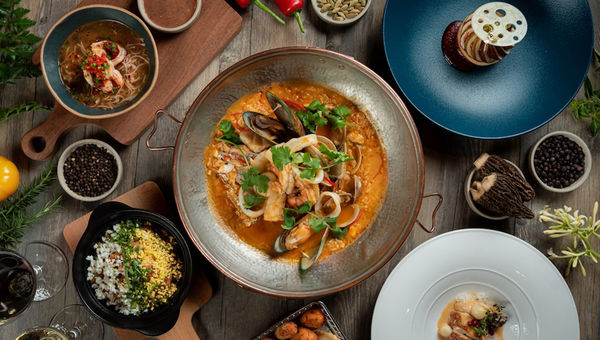
The IFTM Educational Restaurant leads the way in Macao’s sustainable dining efforts.
These initiatives have earned the IFTM Educational Restaurant four consecutive Michelin Green Star titles. Beyond its eco-credentials, the restaurant is one of the Macao’s best places to sample European and Macanese cuisine.
Macao’s fusion of traditional food philosophies with modern dining experiences allows visitors to truly eat their way to wellness in the city. To add a dose of wellness to your Macao travel offerings, click here to explore Macao’s dining scene.
This article is brought to you by Macao Government Tourism Office