SYDNEY - Millennials
may be locked out of the housing market, but they’re not afraid to spend big
dollars on another type of property.
This group is the
biggest spenders on hotels in Australia, according to new research from CBRE’s
‘Check In’ report on the Australia hotel sector – forking out on average A$234 (US$160.4)
per person per year on accommodation between 2014-2018, ahead of Generation X
on A$231 and Baby Boomers on A$165.
CBRE’s head of hotels research Chinmay Chitale
said that the figures were a clear sign that Millennials were priortising
travel over traditional life goals.
“[It] is likely linked to the fact that many
have yet to purchase a house, get married or have children – meaning that they
can prioritise travel more readily,” he said.
Almost half (49%) of Millennials and
Post-Millennials (or Generation Z) indicated that their reason for staying in a
hotel was for ‘indulgence’, according to survey results included in the report,
while 22% indicated that they chose a hotel to get an ‘authentic local experience’.
One in four said they chose a hotel as ‘just a
place to sleep’, and four per cent said that it was for ‘interacting with other
guests’.
CBRE Hotels’ national director Wayne Bunz said
that most existing luxury brands in the local market weren’t responding to
these desires.
“There exists an opportunity for the ‘new age’
luxury brand to distinguish itself from Airbnb and typical luxury and upscale
brands by providing not only a good product and service but also a shareable
and transformative experience,” Mr Bunz said.
The survey found that for 26% of Millennials
WiFi was their biggest priority in a hotel, followed by restaurant and bar
facilities (21%).
Experience
over amenity
Responding to Millennials’ desire for an
‘experience’ rather than a simple place to stay has been a key priority for
boutique hotel group Ovolo Hotels, according to its Australian COO and chief
financial officer Dave Baswal.
“We’re changing to suit the mindset where
hotels are urban retreats where people are looking for experiences. Part of
that is offering a really unique food-and-beverage offering, having mini bar
and WiFi included and incorporating communal areas. We’re also ensuring that
design is front and centre,” Mr Baswal said.
He said that “life and work is not two separate
components”, and that hotels could no longer rely on the disinterest of
corporate clients.
“Hotels have to try a bit harder, you have to
design things differently, you have to offer a unique offering every time.”
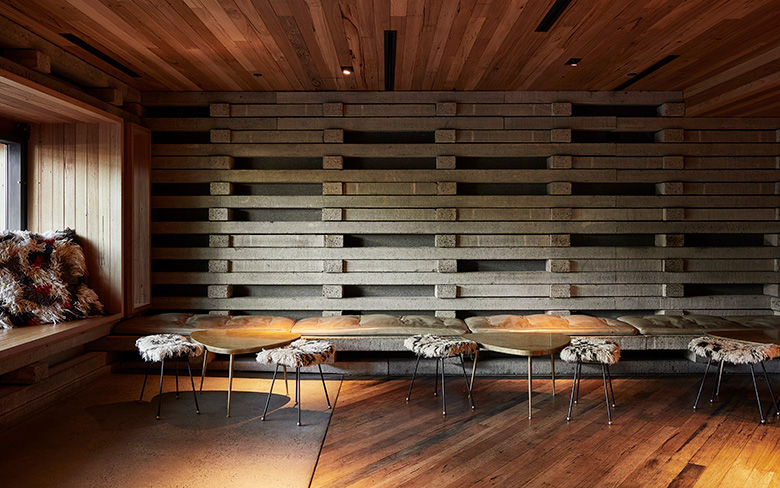 Ovolo Nishi Lounge.
Mr Baswal said that almost one in five of
Ovolo’s guests in Australia were under 30, but the biggest group remained the
30 to 40 age bracket, which accounted for 39% of customers.
“Around 60% of our customer base is coming from
the age group lower than 40 and we’re very mindful of that,” he said.
Part of the strategy to retaining this
demographic was to focus on providing unique dining experiences.
“We obviously have the hotels which each have a
different theme but a strong part of the strategy is having different
restaurant offerings. For example, one of the restaurants in our Woolloomooloo
property is 100% vegan and the wine bar in our 1888 hotel in Darling Harbour
has a Mediterranean theme.
“Your typical hotel restaurant with salt and
pepper squid is no longer working.”
Gen Z
the market to watch
Millennials, or Gen Y, might be the big
spenders for now but a younger generation looks set to exert increasing
influence over the hotel sector.
Post-Millennials, or Gen Z, recorded an
increase in hotel spending of 6.1% a year over the past five years, according
to the report.
While they may have a way to go before matching
the discretionary spending power of Millennials, the industry is not paying
enough attention to this emerging demographic, according to Mr Baswal.
“There’s one thing that not many people are
talking about, but the reality is that Gen-Z is actually making a lot of
decisions in the house, in smaller families they control the wallets of their
parents and so it’s interesting to see that the travel pattern is driven by the
Gen-Z members of family,” he said.
“The reality is that very soon the trend is
going to change…I think the travel decisions of Gen-X and Millennials will be
very influenced by where their kids want to be.”